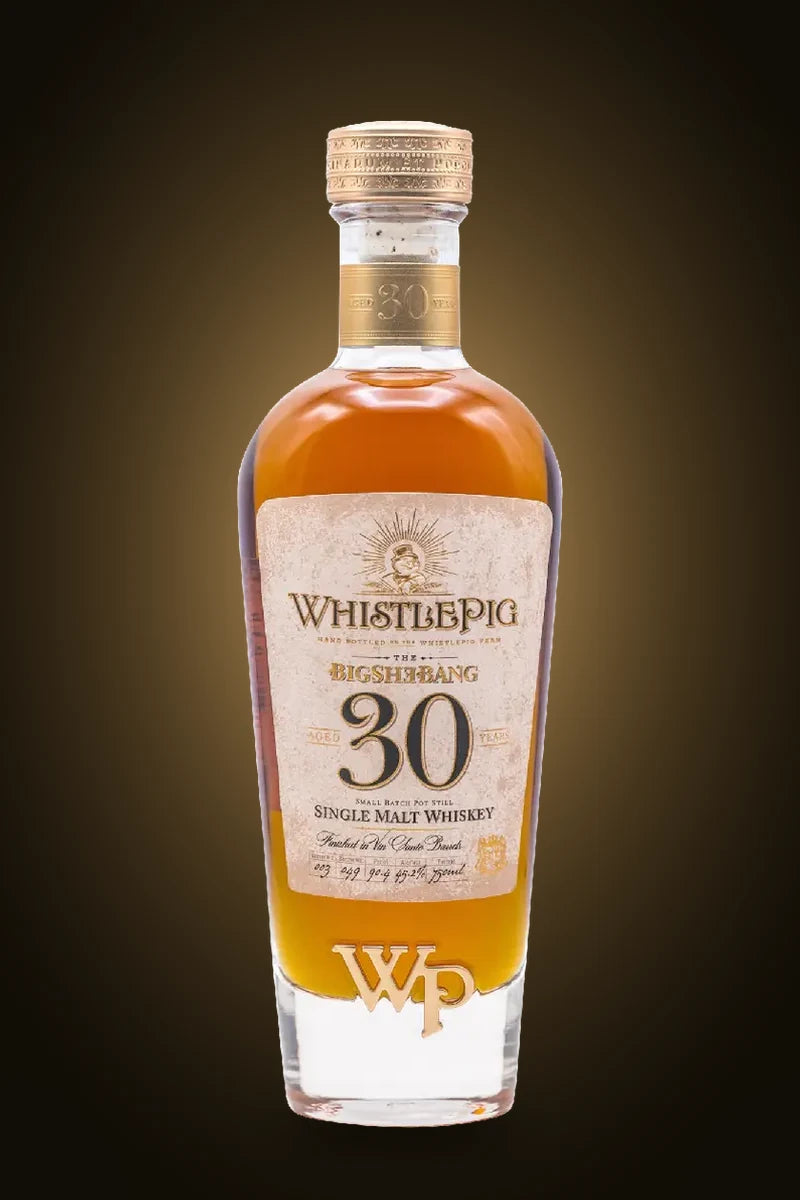
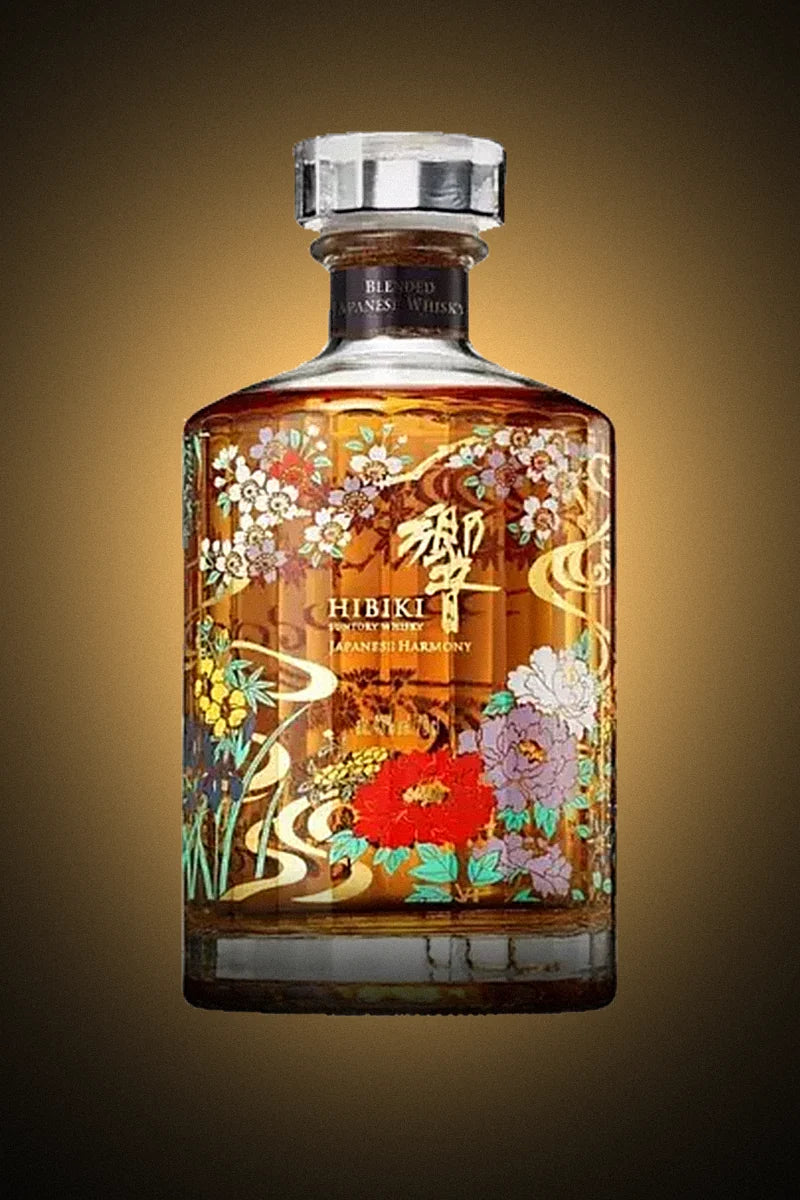
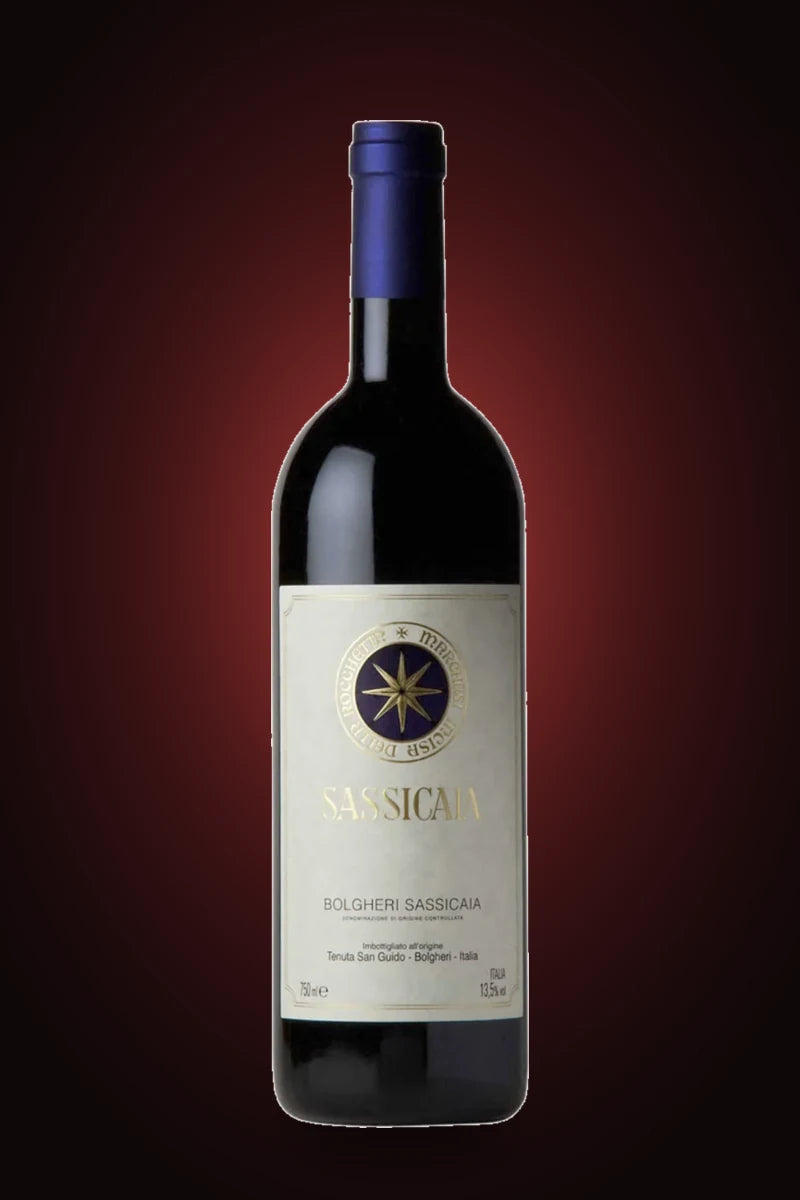
Early American distillers turned local grain into a durable, tradable spirit. Geography, climate and new charred oak helped create the styles we recognize today.
Colonial grain became a regional language.
01
PREET
02
ISSUE 01 · REBELLION
When whiskey became political
The federal excise tax of 1791 triggered resistance among western distillers and farmers, culminating in the Whiskey Rebellion of 1794.
A bottle became a symbol of federal power and frontier resistance.
03
PREET
04
ISSUE 01 · BOURBON
What makes bourbon bourbon
Bourbon must be made in the United States from a mash of at least 51 percent corn and aged in new charred oak containers.
Corn, new charred oak and time.
05
PREET
06
ISSUE 01 · OAK
The barrel is an ingredient
Charred oak contributes color, vanilla, caramel, spice and structure while seasonal temperature changes move whiskey through the wood.
The warehouse writes part of the recipe.
07
PREET
08
ISSUE 01 · TASTING
Taste with a little patience
Start with aroma, take a small sip, add a few drops of water when proof is high and notice how the finish changes over time.



 02
02